
Leading Basement Repair Products Every Homeowner Should Consider
Discover high-quality solutions designed to address common basement issues and improve structural integrity.
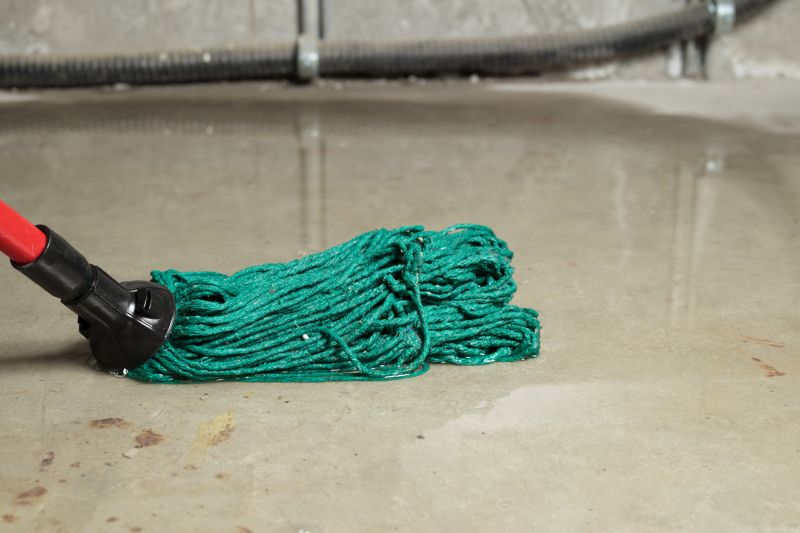 Basement repairs are essential for maintaining the structural integrity, dryness, and usability of a basement space. Whether addressing moisture issues, foundation cracks, or water seepage, selecting the right products can significantly impact the effectiveness of repairs. A comprehensive approach often involves multiple product types tailored to specific issues, such as waterproofing, sealing, and reinforcement solutions. Proper application and quality materials are vital to ensure long-term results and prevent recurring problems.
Top Overall Option
Comprehensive Basement Waterproofing System
A complete waterproofing system designed for versatility and durability can serve as an all-in-one solution for basement repairs. These systems typically include a combination of sealants, drainage mats, and waterproof coatings that work together to prevent water intrusion and reinforce foundation walls. They are suitable for a variety of basement conditions and can be applied in different scenarios, making them a flexible choice for many repair projects.
Types of Products For Basement Repairs
Crack Sealants
Used to fill and seal cracks in walls and floors to prevent water infiltration and further damage.
Waterproof Coatings
Applied to interior or exterior surfaces to create a moisture-resistant barrier and protect against seepage.
Drainage Mats and Systems
Install behind walls or floors to facilitate water drainage and reduce hydrostatic pressure.
Foundation Sealants
Seal gaps and joints in foundation walls to enhance structural integrity and prevent leaks.
Waterproof Membranes
Rigid or flexible membranes that create a barrier against moisture penetration on exterior or interior surfaces.
Hydraulic Cement
Specialized cement used to plug active leaks and reinforce damaged areas quickly.
Sump Pumps
Systems designed to remove accumulated water from basements, especially in flood-prone areas.
Dehumidifiers
Help control humidity levels, reducing moisture and preventing mold growth.
Wall Reinforcement Products
Includes carbon fiber straps and steel braces to stabilize bowing or cracked walls.
Floor Sealers
Seal and protect concrete floors from moisture and staining.
Vapor Barriers
Install on floors and walls to prevent moisture vapor from passing through surfaces.
Exterior Waterproofing Products
Include drainage panels, sealants, and membranes to waterproof foundations from outside.
Mold and Mildew Treatments
Solutions to treat and prevent mold growth caused by excess moisture.
Foundation Piers and Supports
Provide structural support to stabilize settling or shifting foundations.
Popular Choices
Easy-to-apply coatings that help create a moisture-resistant interior surface.
All-in-one kits containing sealants and tools for quick crack repairs.
Reliable pumps designed to remove water from basements and prevent flooding.
Compact units that help maintain optimal humidity levels and reduce moisture.
Protect foundation exteriors from water penetration and soil moisture.
Carbon fiber or steel straps to stabilize bowing or cracked walls.
Drainage panels and pipes to redirect water away from the foundation.
Quick-setting cement to stop active leaks and seal cracks.
Solutions to inhibit mold growth and improve indoor air quality.
Seal concrete floors to prevent moisture penetration and staining.
Install on floors and walls to block moisture vapor transmission.
Provide additional stability for shifting or settling foundations.
Many basement repair projects require a combination of products that work together to create a dry, stable environment. From waterproof coatings that prevent water ingress to crack fillers that stabilize foundation walls, the right tools and materials can make a substantial difference. It is also important to consider the unique conditions of each basement, including the source of moisture, the extent of damage, and the existing construction materials.
Investing in durable, high-quality products designed specifically for basement repair can help homeowners and contractors achieve better outcomes. Proper preparation, including cleaning and assessing the damaged areas, enhances the effectiveness of repair products. Regular maintenance and inspections can also prolong the lifespan of repairs, ensuring the basement remains dry and structurally sound over time.
Selecting appropriate products involves understanding the specific needs of your basement repair project. Whether it is sealing minor cracks or installing comprehensive waterproofing systems, the right products can facilitate a smoother repair process. Always follow manufacturer instructions and consider consulting with professionals for complex issues to ensure safety and effectiveness.
Key Buying Considerations
- Identify the specific issue such as water seepage, cracks, or foundation instability to select appropriate products.
- Consider the severity and extent of damage to determine whether DIY solutions or professional intervention is needed.
- Check product compatibility with existing surfaces and materials in your basement.
- Review product specifications for durability and resistance to moisture, mold, and temperature changes.
- Look for products with clear application instructions and safety guidelines.
- Assess the ease of application, especially if planning a DIY project, including drying and curing times.
- Verify if the products are suitable for interior, exterior, or both applications.
- Consider environmental conditions such as soil type and water table level that may influence product performance.
- Evaluate the long-term maintenance and potential need for reapplication or additional repairs.
- Ensure the products meet relevant safety standards and certifications for building and safety codes.
This page contains affiliate links. We may earn a commission if you purchase through these links, which helps support our content and research efforts.